Yard and Garden
Turf Grass
Turfgrass should be no higher than eight inches. To reduce maintenance needs, consider landscaping your lawn with a variety of low-maintenance turf species such as a mixture of fine fescues or turf-type tall fescues, or pollinator friendly ground cover.
Lawn Watering
View lawn watering guidelines.
Managed Natural Landscape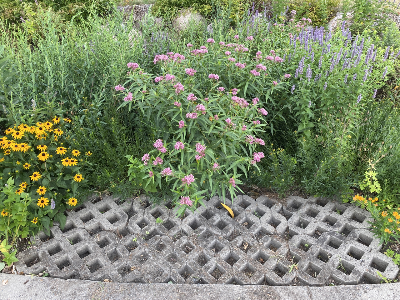
Managed natural landscapes are planned, intentional, and maintained plantings of native or nonnative grasses, wildflowers, forbs, ferns, shrubs, or trees. All managed natural landscapes that conform with the City Code are permitted on all properties and are excluded from turf grass height restrictions. These areas can support pollinators and other wildlife by providing critical habitat and resources.
Examples of permitted managed natural landscapes include:
When planting a managed natural landscape, be sure to follow these requirements:
- Do not plant trees, bushes or shrubs within five feet of the front property line, or within thirty feet of the intersection of curb lines on corner lots.
- Do not plant vegetation that exceeds three feet tall within any front or side yard areas on a corner lot which may interfere with the visibility across the corner.
- Noxious weeds are not allowed on properties. See the noxious weeds lists published by the State of Minnesota and USDA.
- Nuisance weeds and unmanaged vegetation are also not allowed on properties. Examples include seeding dandelions.
Best Practices for Pollinators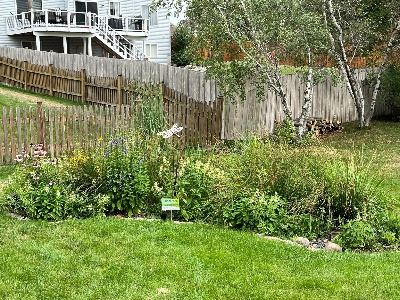
Did you know there are over 500 bee species in Minnesota? All have unique nutritional and habitat needs. Birds, bats, butterflies, moths, flies, beetles, wasps, small mammals, are all important pollinators as well.
Support a variety of pollinator species by planting a diverse garden in your yard that blooms throughout the spring and fall. The following practices are proven to support pollinators in Minnesota:
- Installing a pollinator garden using nectar and pollen-rich plants.
- Plant a variety of trees and shrubs that flower at varying times throughout the year to ensure a consistent, year-round supply of resources.
- Planting a bee lawn that includes bee friendly species, such as dutch white clover.
- Promote bee habitat with bee houses, areas of bare ground and undisturbed leaves.
Please note: Letting turfgrass grow for extended periods is not allowed by City Code and does not guarantee you are providing pollinator habitat. Providing a lawn or garden with high plant diversity and pollen-rich plants is critical for pollinators, which most turfgrass lawns do not offer. Follow the best practices above to support pollinators on your property.
Additional Resources
- University of Minnesota Extension, Yard and Garden
- Dakota County Soil and Water Conservation District, Landscaping for Clean Water Workshops and Grant
- Blue Thumb, Lawns to Legumes Grant
- Blue Thumb, Plant and Pollinator Resources
- Blue Thumb, Resilient Yards Online Learning Series
- University of Minnesota, Bee Lab
- Dakota County, Seed Library
Sustainable IGH Community Recognition Awards - Apply to Be Recognized!
Do you have a pollinator garden, rain garden, or bee lawn on your property? If so, we want to hear from you! Share your photos and story to be recognized for your actions through the Sustainable IGH Community Recognition Awards. Residents and businesses may apply. Learn more and apply today!